
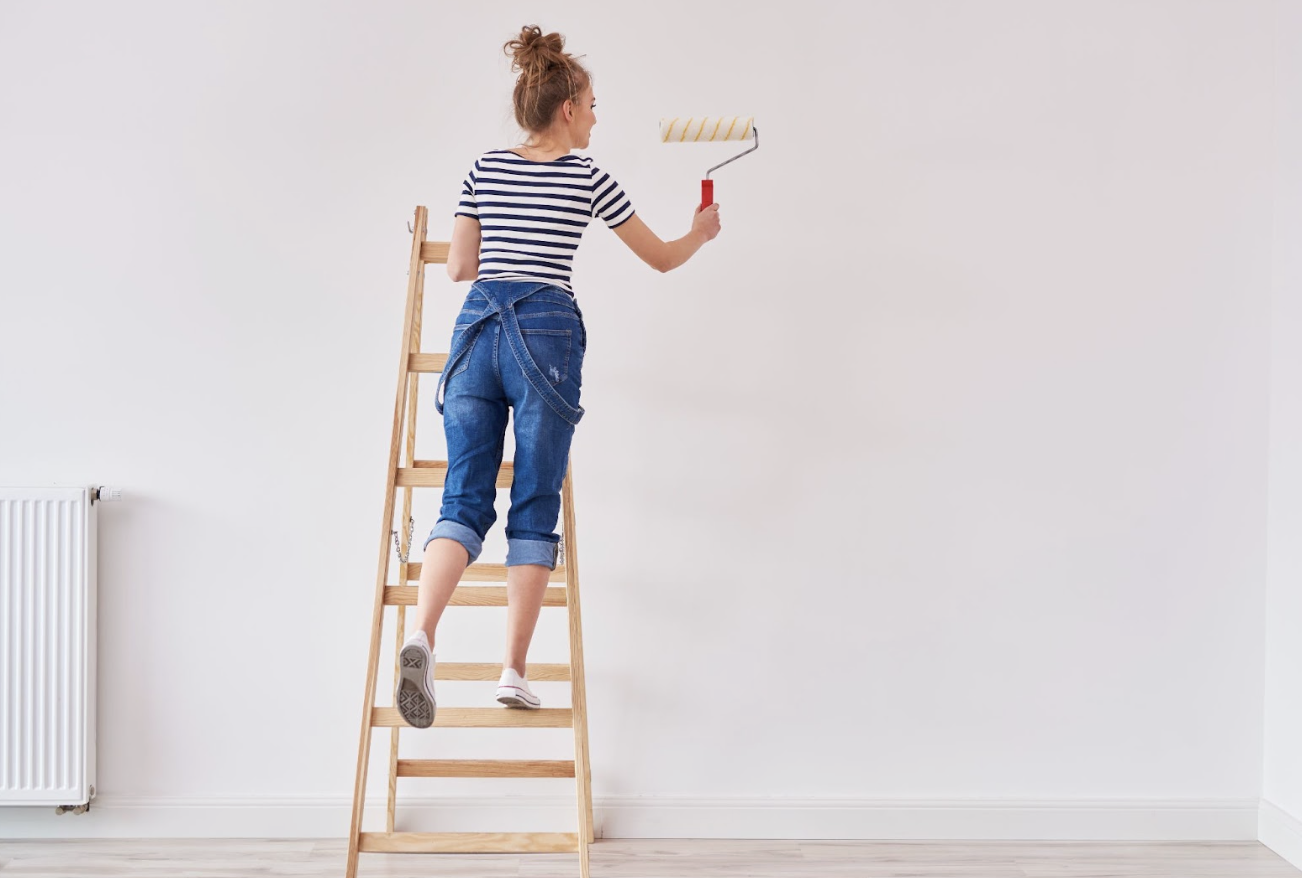
Painting looks simple from a distance. A roller, a tray, a few gallons of paint, and a free weekend can make it feel manageable. Many homeowners start a project confident they can handle it.
At first, it often looks good.
Then time passes.
Edges begin separating. Sunlight exposes uneven sheen. Peeling appears along trim. Exterior paint fades faster than expected. What seemed like a cosmetic upgrade slowly turns into a maintenance issue.
The difference between DIY painting and professional house painters is not motivation. It is process, preparation, and understanding how materials perform over time.
Paint Does Not Fail Randomly
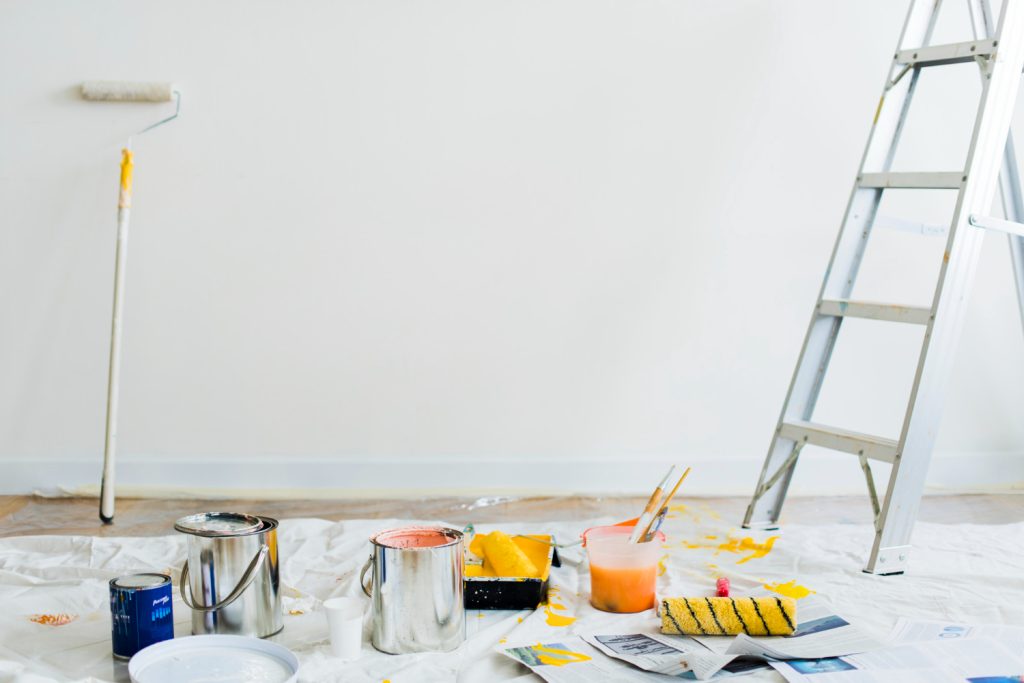
Most failed paint jobs follow the same pattern.
Common issues include:
- Peeling or bubbling
- Visible drywall patches
- Flashing or uneven finish
- Lap marks
- Stains bleeding through ceilings
- Chipping trim
- Premature fading on exterior siding
In most cases, the root cause is improper paint preparation.
Paint does not bond well to dust, chalking, moisture, or glossy surfaces. If those conditions are not corrected before application, failure is only a matter of time.
According to the Paint Quality Institute, surface preparation accounts for up to 80 percent of a coating’s durability.
Source: https://www.paintquality.com
That statistic explains why one paint job lasts a decade while another struggles after two winters.
The Preparation Most Homeowners Never See
Professional house painters spend more time preparing than painting.
Preparation typically includes:
- Washing or pressure washing surfaces
- Scraping loose or failing paint
- Sanding for proper adhesion
- Repairing drywall and feathering patches
- Caulking joints and gaps
- Priming bare wood, stucco, or repairs
- Monitoring temperature and humidity before application
Painting itself may take a day. Preparation can take several.
Rushing through prep to “save time” usually shortens the exterior painting lifespan significantly.
High Altitude Sun and Rapid Weather Shifts Matter
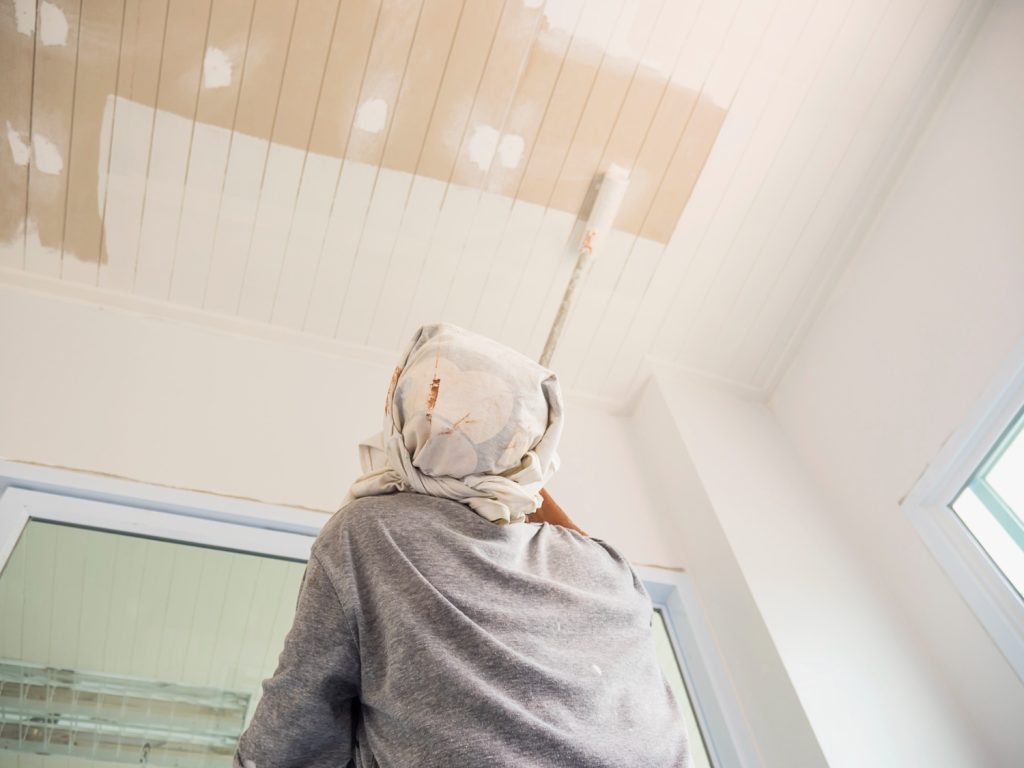
Homes in the Front Range face intense UV exposure, rapid temperature swings, snow, and dry air. These conditions stress exterior coatings.
Professional house painters evaluate:
- Sun exposure direction
- Expansion and contraction of siding
- Moisture levels
- Existing coatings
- Surface material compatibility
South-facing walls often deteriorate faster due to constant sunlight. Stucco requires breathable coatings. Trim and doors need harder finishes to resist movement and chipping.
Selecting paint based on price alone rarely produces long-term results.
Why Product Selection Is Not One Size Fits All
Different areas of a home require different systems.
Bathrooms need moisture-resistant coatings.
Exterior siding needs flexibility.
Cabinet surfaces require durable enamel finishes.
Basements may need mold-resistant products.
Professional painting is about matching chemistry to environment.
DIY painting often focuses on color choice. Professional painting focuses on performance.
Equipment and Experience Make a Noticeable Difference
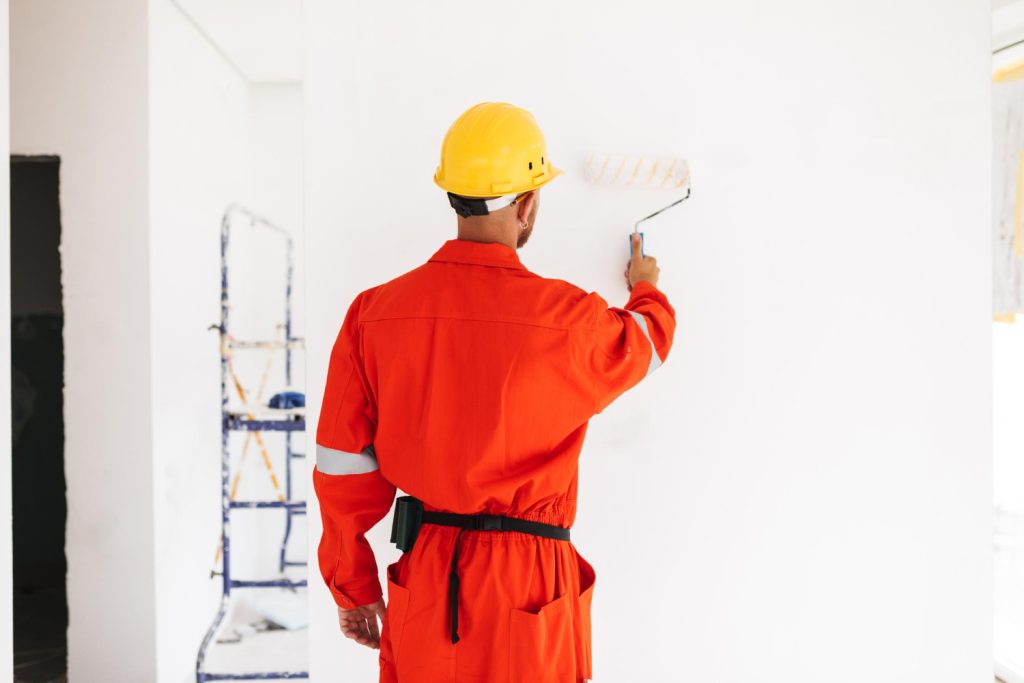
Most homeowners own basic rollers and brushes. Professional painters use equipment designed for consistency and durability.
Common professional tools include:
- Commercial spray systems
- Moisture meters
- Dust-controlled sanding systems
- Professional ladders and scaffolding
- Advanced masking systems
A moisture meter alone can prevent applying paint over damp siding, which is a common cause of peeling.
In multi-story homes, proper safety setup is critical. Ladder-related injuries account for hundreds of thousands of emergency room visits each year.
Source: https://www.cpsc.gov
Experience reduces both risk and costly mistakes.
Why Experience and Standards Matter
Professional painters follow manufacturer application guidelines for coverage, drying times, and surface compatibility. They understand how different building materials respond to moisture, heat, and movement. That consistency comes from years of repetition and real-world problem solving, not online tutorials. Following proven standards is what allows a professional paint job to perform reliably year after year.
How Long Should Exterior Paint Really Last?
Longevity depends on preparation and product selection, not just the number of coats.
| Type of Paint Job | Typical Lifespan |
| Professional exterior painting | 8 to 12 years |
| Professional interior painting | Many years with minor touch-ups |
| Typical DIY exterior painting | 1 to 3 years |
| Poorly prepared DIY painting | Sometimes under 1 year |
Repainting every two to three years costs more over time than investing in professional house painters who build a coating system designed to last.
The Hidden Costs of Doing It Twice
DIY painting often appears less expensive upfront. The long-term cost tells a different story.
Hidden expenses may include:
- Early repainting
- Removing peeling coatings
- Repairing moisture damage
- Fixing drywall patches
- Paying professionals to correct failed work
Once a coating system fails, correction usually requires scraping, sanding, and re-priming. It is rarely as simple as applying another coat.
When DIY Makes Sense and When It Does Not
DIY painting can work for:
- Small bedrooms
- Minor cosmetic updates
- Low ceilings
Professional painting is strongly recommended for:
- Exterior projects
- Stucco or painted brick
- High ceilings and stairwells
- Detailed trim and cabinetry
- Homes where long-term durability matters
The difference becomes visible over time, not immediately after the project is finished.
Why Homeowners Choose Alpha Omega Finishers Inc.?
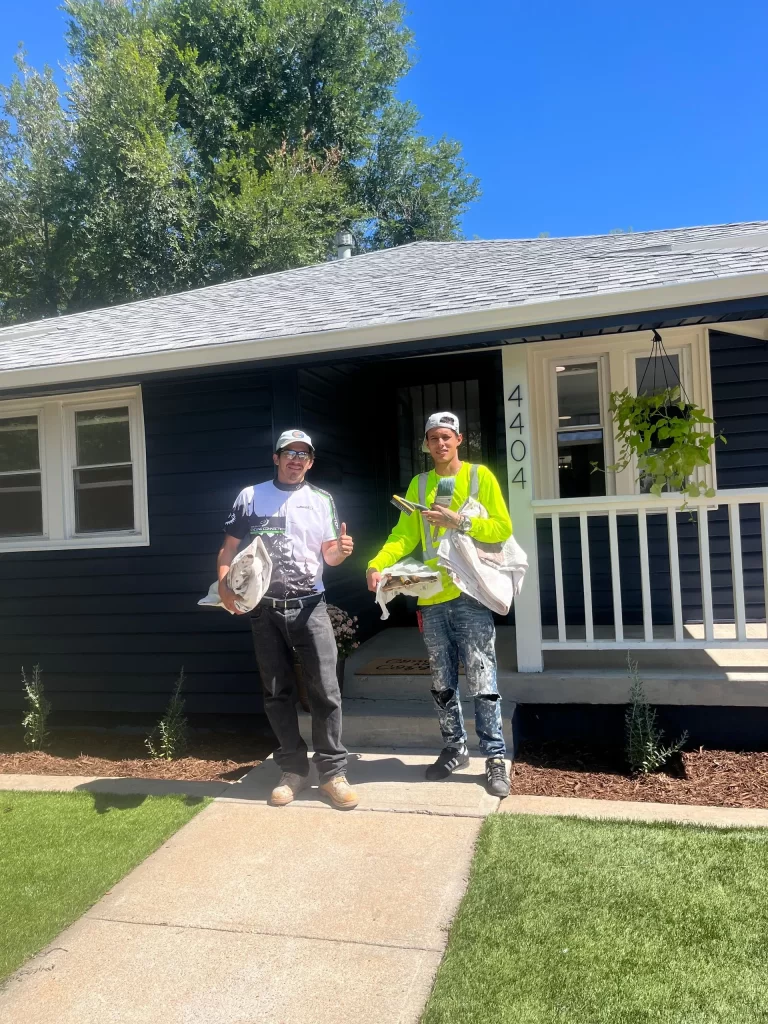
Alpha Omega Finishers Inc. is a family-owned painting and remodeling company serving homeowners throughout the Denver area and surrounding communities. Founded in 2021 and backed by over 20 years of combined experience, the company focuses on craftsmanship, preparation, and long-lasting results.
Services include:
- Exterior painting
- Interior painting
- Accent walls
- Limewash finishes
- Cabinet painting and refinishing
- Basement finishing
- Remodeling
The goal is not simply to apply paint. It is to protect and enhance your home with a system built to perform.
Frequently Asked Questions
Is hiring professional house painters worth it?
For large or exterior projects, professional painting typically provides longer lifespan, better surface preparation, and improved finish consistency.
Why does exterior paint peel so quickly?
Peeling often results from poor surface preparation, trapped moisture, incompatible coatings, or applying paint in improper weather conditions.
Can I paint over peeling paint?
Painting over peeling paint without removing the failing layer will not solve the issue. The surface must be scraped, sanded, and properly primed first.
How do I get a quote for my home?
Most professional painting companies offer free consultations to evaluate your project and provide detailed estimates.
Protect Your Home with a Finish That Lasts!
Paint should do more than change color. It should protect siding, trim, drywall, and cabinetry for years.
If you are planning interior or exterior painting, contact Alpha Omega Finishers Inc. to schedule a free consultation. Visit the Contact Us page or call (303) 502-6769 to request your quote.
Alpha Omega Finishers Inc. delivers professional house painting built on preparation, craftsmanship, and long-term performance.
Your home deserves work that holds up long after the brushes are cleaned.

Ivan Reyes is the co-founder of Alpha Omega Finishers, a family-owned painting and remodeling company based in Denver, CO. Alongside his wife, Kenya, he helps homeowners bring their vision to life through thoughtful, high-quality transformations.
With over 10 years of experience in painting and home improvement, Ivan is known for his craftsmanship, attention to detail, and commitment to creating spaces families truly love.